UK waste fires from single-use BBQs prompt CIWM to demand an outright ban, impacting waste management and public safety.
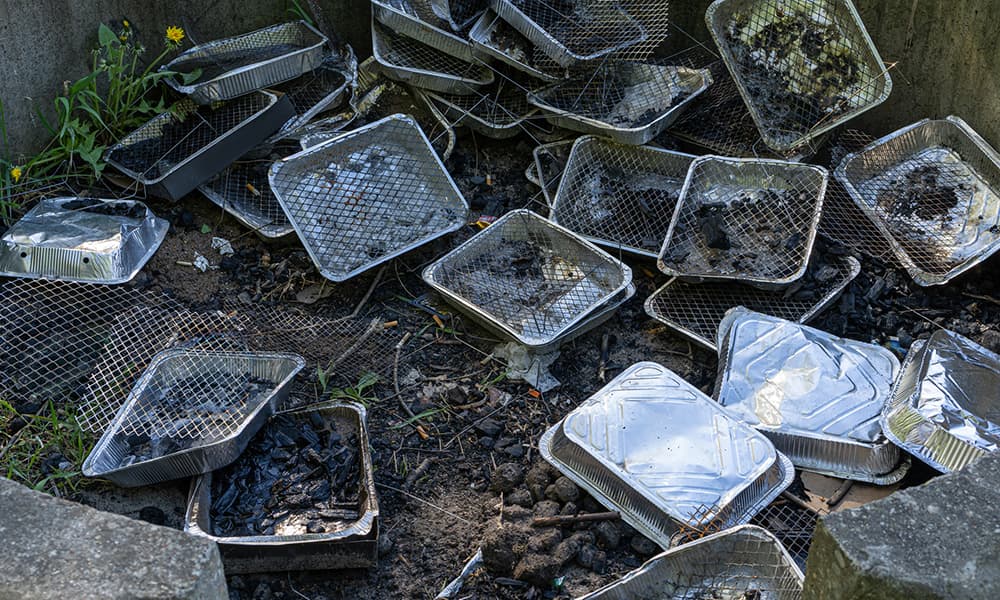
The Chartered Institution of Wastes Management (CIWM) officially called for an outright ban on all single-use barbecues, citing their significant contribution to waste fires and environmental damage.
This demand directly impacts waste management operations, increasing fire risks at materials recovery facilities (MRFs) and landfill sites, and posing a serious threat to public safety and natural habitats across the UK.
Waste Fires Escalate, Overwhelming Infrastructure
CIWM's push comes as UK waste infrastructure experiences a rising tide of fires, many directly attributed to improperly discarded single-use barbecues. These incidents strain emergency services and cause substantial economic losses for waste operators due to facility damage and operational downtime.
- Over 200 fires occurred at waste management sites in the UK in 2023, with a notable percentage linked to single-use barbecues.
- The London Fire Brigade (LFB) responded to more than 600 barbecue-related fires in the last five years.
- The cost of waste fires to the UK economy exceeds £100 million annually.
- Retailers like Tesco, Sainsbury's, and the Co-op have already ceased sales of single-use barbecues in various regions.
- The British Retail Consortium (BRC) acknowledged the issue, indicating industry willingness to discuss solutions beyond voluntary measures.
Compliance Timelines Tighten for UK Waste Handlers
An outright ban would force immediate operational adjustments across the waste sector. Operators currently managing mixed waste streams containing these items would see a reduction in fire risk, potentially lowering insurance premiums and improving worker safety. Conversely, manufacturers and retailers of single-use barbecues would face a complete market exit, shifting consumer demand towards reusable alternatives.
"Single-use barbecues pose a significant and avoidable risk to our waste infrastructure and the environment. A ban is a necessary step to protect resources and public safety," stated a CIWM spokesperson.
This legislative pressure aligns with broader environmental goals to reduce single-use products and promote circular economy principles. Waste management companies could reallocate resources previously used for fire prevention and mitigation towards more productive recycling initiatives.
What This Means for Recyclers
Recyclers stand to benefit from reduced contamination and fire hazards in incoming waste streams, leading to more efficient processing and higher material recovery rates. The long-term implication is a cleaner, safer operational environment, potentially encouraging investment in advanced sorting technologies. Operators should monitor legislative developments closely and prepare for potential shifts in waste composition and public engagement regarding disposable items.