UK fridge recycling faces strain as NAWDO warns of infrastructure pressure and capacity shortfalls, impacting local authorities and WEEE compliance.
The National Association of Waste Disposal Officers (NAWDO) warned on August 10, 2026, that the UK’s fridge and freezer recycling infrastructure faces significant pressure, potentially impacting local authority compliance.
This warning highlights critical capacity shortfalls in the UK's waste electrical and electronic equipment (WEEE) processing sector, directly affecting how local authorities manage bulky waste collections and meet their recycling obligations. Failure to address this could lead to increased landfilling of cooling appliances, financial penalties, and environmental damage from refrigerant gases.
UK Cooling Appliance Recycling Faces Capacity Crunch
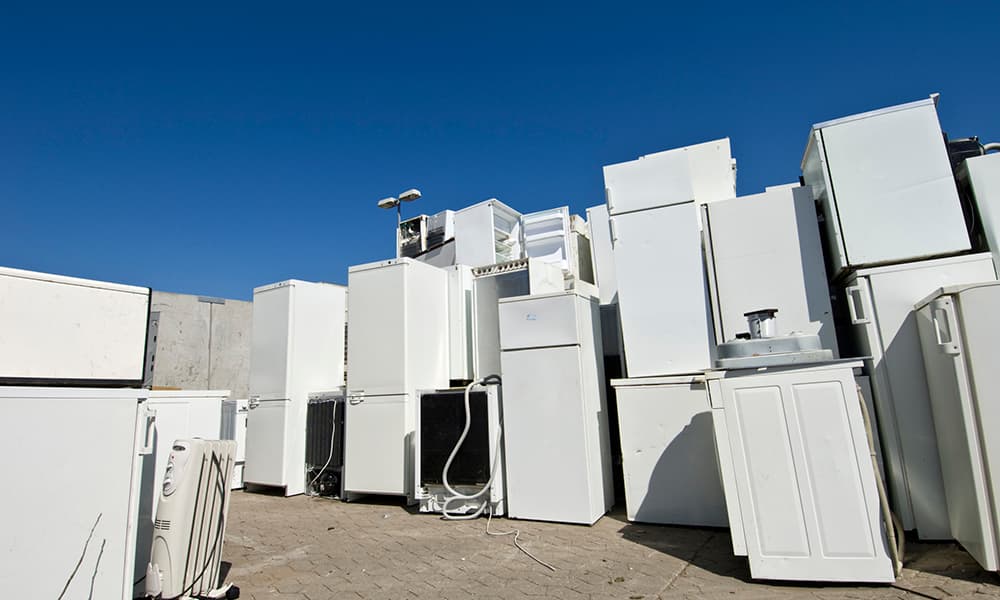
NAWDO's assessment follows a consistent rise in discarded cooling appliances, driven by consumer upgrade cycles and the replacement of older, less energy-efficient units. Existing recycling facilities are struggling to keep pace with this volume, particularly for appliances containing hazardous refrigerants like hydrofluorocarbons (HFCs) and ozone-depleting substances (ODS).
- UK households discard approximately 3 million fridges and freezers annually.
- Current processing capacity for these units is estimated to be 15-20% below demand in peak periods.
- Local authorities bear the primary responsibility for collecting over 70% of end-of-life cooling appliances.
- The cost of processing a single fridge or freezer can range from £20 to £40, excluding collection.
- NAWDO projects a 5% year-on-year increase in cooling appliance waste over the next five years.
Compliance Timelines Tighten for UK Local Authorities
The impending capacity crisis directly threatens local authorities' ability to comply with WEEE Regulations. These regulations mandate the proper collection, treatment, and recycling of hazardous components within cooling appliances. Insufficient processing slots mean longer storage times, increased operational costs, and the risk of non-compliance fines from environmental agencies.
Operators of authorized treatment facilities (ATFs) for WEEE will likely see increased demand for their services, potentially driving up gate fees. However, new investment in specialized facilities, particularly those equipped to safely extract and destroy refrigerants, remains slow. This creates a bottleneck that benefits facilities with available capacity but disadvantages those without the specialized technology or scale.
What This Means for Recyclers
Recyclers specializing in WEEE, particularly cooling appliances, must reassess their intake capacities and explore investment in advanced refrigerant recovery technologies. Collaboration with local authorities and producer compliance schemes (PCSs) will become crucial for securing consistent feedstock and stable pricing. The market will likely favor facilities demonstrating robust environmental compliance and efficient hazardous waste management practices, pushing less equipped operators to either upgrade or exit the sector.