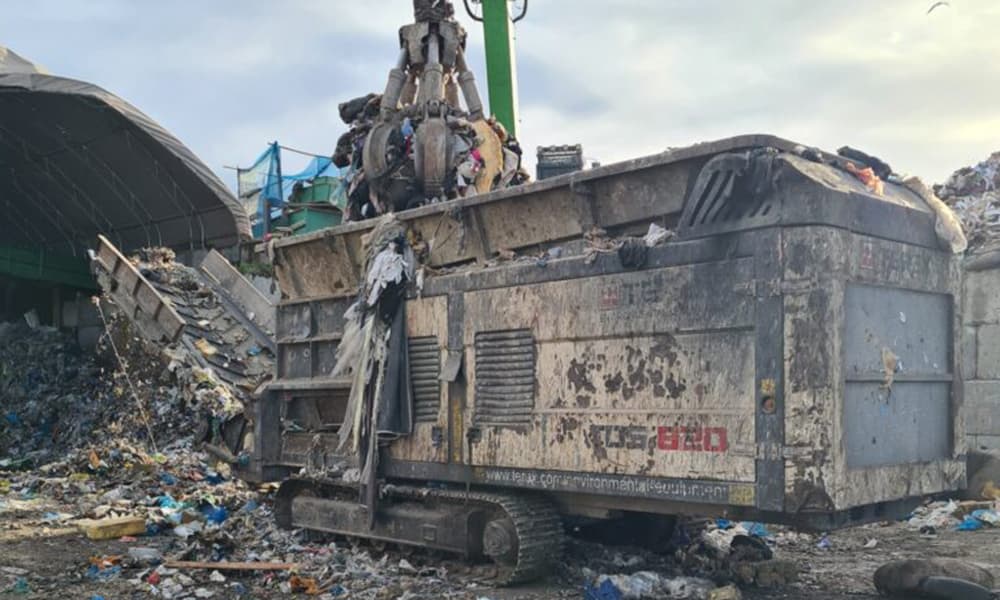
Health and safety failures lead to significant fines for waste operators, reinforcing the critical need for stringent site protocols.
Clearaway Recycling Ltd. received a £400,000 fine plus £9,000 in costs after an employee sustained serious injuries when struck by a reversing vehicle at their Essex facility on August 20, 2024.
This substantial penalty underscores the persistent and critical safety failures within the waste and recycling sector, directly impacting operational costs and regulatory compliance for all facility managers.
Vehicle Movement Safety: A Persistent Industry Challenge
The incident, investigated by the Health and Safety Executive (HSE), revealed Clearaway Recycling Ltd. failed to implement adequate measures to segregate pedestrians and vehicles. This systemic failure resulted in a worker suffering a broken pelvis, fractured ribs, and a lacerated spleen, highlighting the severe consequences of neglected safety protocols.
- The victim spent over two weeks in the hospital following the incident.
- HSE Inspector Saffron Butler-Clack stated the company exhibited "a clear failure to implement an effective system."
- Clearaway Recycling Ltd. pleaded guilty to breaching Section 2(1) of the Health and Safety at Work etc. Act 1974.
- The fine of £400,000 was handed down at Chelmsford Magistrates’ Court on August 19, 2026.
Compliance Timelines Tighten for US E-Waste Handlers
The UK ruling sends a clear message to the global waste management industry: regulators are intensifying scrutiny of site safety. US-based e-waste and ITAD operators, while under different jurisdictional oversight, face similar pressures regarding worker protection. Plant managers must review and update their traffic management plans, particularly in high-volume areas where heavy machinery and personnel interact.
Companies ignoring these warnings risk not only severe financial penalties but also operational disruptions, reputational damage, and, most critically, employee injury or fatality. Proactive investment in safety infrastructure and training programs is no longer merely best practice; it is a fundamental operational imperative.
What This Means for Recyclers
Recycling facility operators must immediately audit their vehicle and pedestrian segregation policies, particularly around sorting lines, loading docks, and material handling zones. The financial and human costs of non-compliance are escalating, requiring a strategic shift towards preventative safety cultures and continuous operational improvement. Future regulatory actions will likely focus on demonstrable safety management systems, not just incident response.